-
- EN
-
-

As a founder, have you ever received a supplier quote that made your stomach drop?
One number that can make or break your margins, your product’s reputation, and your launch timeline?
Here' s the hard truth: a quote isn' t just a price tag - it's a promise. And when that promise is unclear, it creates more than just uncertainty; it creates risk. Not because you might overpay, but because you could unknowingly accept compromises that impact everything from quality to customer satisfaction.
Trust me, I've been there. I didn' t always ask the right questions early on, and the result was a batch of subpar materials and returns that cost more than I saved.
This guide isn' t about our pricing at Champolian - it' s about giving you the tools to break down any OEM clothing quote with confidence. Understanding the risks behind the number means making smarter decisions.
Here are the four key areas where cost and risk often hide.
The founder's question:
"Is the fabric in my production run exactly the same quality as the sample I approved?"
Fabric and materials make up 40–60% of a garment' s cost. This is the easiest place for suppliers to quietly cut corners.
The "similar fabric" Pitfall
You approve a sample that feels perfect, but when the bulk order arrives, something' s off. It fades, shrinks, or feels different. What happened? Your supplier might have swapped in a cheaper "similar" fabric to save costs.
The trim Pitfall
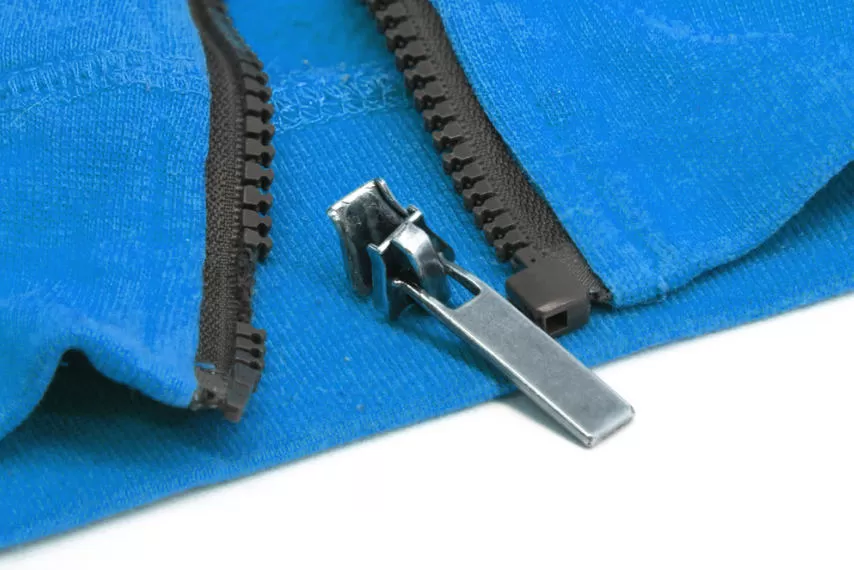
A YKK zipper and a no-name zipper might look the same at first glance. But six months later, one still works while the other fails. And this difference is hidden inside your unit price.
How to de-risk it
Ask for a line-item breakdown of key materials. Request specifics: fabric composition, GSM, and the brand of trims. A reputable OEM clothing manufacturer will be happy to share this with you.
It' s a sign they respect the product you' re building.
The founder's question:
"Why does a small design change affect the price so much?"
Labor isn' t just about stitching fabric together. It' s about time, craftsmanship, and skill on the production floor.
Silent simplifications
To lower prices, a factory might simplify construction without telling you. A reinforced stitch becomes a basic one. Complex designs get flattened. These shortcuts save the supplier seconds, but they can hurt the durability and fit of your product.
Underestimated complexity
A technical jacket with 50 pattern pieces requires far more labor than a basic t-shirt. If a complex garment comes back with a surprisingly low quote, chances are the labor wasn' t accurately costed - or corners are about to be cut.
How to de-risk it
Ask your supplier: "Which construction details are driving the labor cost?" A good OEM clothing partner will not only answer but may also suggest design tweaks that reduce costs without compromising quality. That' s collaboration, not upselling.
The founder' s question:
"Will my logo still look fresh after five washes?"
Branding is your signature. It' s how your customers remember you. If your branding fades or peels, it' s a serious problem for your brand' s reputation.
Wrong application method
A supplier might default to cheap heat transfers on stretchy fabrics. On day one, it looks fine. But after a few washes? It cracks. Embroidery can also cause puckering on lightweight fabrics if not applied properly.
Hidden customization costs
Branding methods vary in cost - whether it' s screen printing, embroidery, or sublimation. If your quote includes a vague "branding" line item, be cautious. It could mean hidden costs that will surface later.
How to de-risk it
Ask for a menu of branding options with clear cost breakdowns and use recommendations. A professional OEM clothing manufacturer like Champolian will advise you on the best method based on your product' s end-use, fabric, and design.
The founder' s question:
"Why is the unit price so high for a small order?"
Minimum Order Quantity (MOQ) is all about efficiency. Small orders often cost more per unit because the setup costs are spread across fewer garments.
Spreading fixed costs thin
Whether you' re ordering 100 units or 1000, the factory still has to source materials and prepare machines. On smaller orders, those fixed costs get spread across fewer pieces, driving up the price.
Rush order risks
Rush production always comes with hidden costs - overtime labor, air-freighting materials, and expedited shipping. If your supplier offers a rush order at no extra charge, ask where the compromise is.
How to de-risk it
Request tiered pricing for different volumes (500, 1000, 2500 units). This shows you the direct financial benefits of scaling up your order and helps you plan inventory more effectively.
At Champolian, we believe that understanding production costs isn' t just about haggling for the lowest price. It' s about reducing risk and protecting your brand.
When you ask for transparency, you' re not just questioning a price. You' re qualifying an OEM clothing manufacturer as a true partner - one who' s confident in their work and invested in your success. A partner who helps you make decisions with full knowledge of the risks involved.
We' ve learned from experience that clarity is the key to smooth, successful production. If you want a partner who' s fully invested in making your vision a reality, feel free to reach out. Let' s build something great together.