-
- EN
-
-

If you’ve ever tried to find the right dog clothes factory for your pet brand, you know it’s not as simple as scrolling through a supplier list and sending the first inquiry. Your factory partner isn’t just sewing fabric together—they’re shaping how your brand is perceived. The wrong choice can mean uneven stitching, delayed deliveries, or designs that don’t resonate with your customers. The right one, on the other hand, can help your products stand out in crowded gift shops, club stores, or lifestyle boutiques.
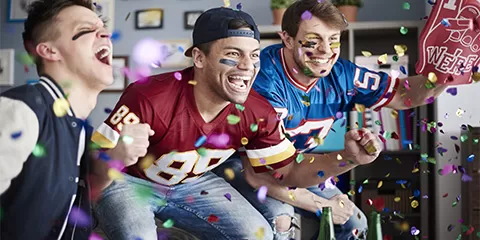
Below, we’ll walk through a practical approach to selecting a manufacturing partner that truly fits your brand—whether you’re targeting sports teams, souvenir shops in resorts, or e-commerce lifestyle audiences.
Before you get lost in factory catalogues and production quotes, step back and decide what’s most important for your business.
Production scale – Are you launching a limited run of high-end dog jackets, or will you need thousands of souvenir T-shirts for a theme park store?
Design complexity – Do you need simple everyday wear, or will your designs involve custom prints, embroidery, or seasonal themes?
Market expectations – A high-end golf club’s member shop will expect a different look and feel compared to a summer camp gift stall.
Durability vs. aesthetics – Is your priority rugged outdoor wear, or is it about playful designs for photo moments?
Taking time here will save you frustration later. If your brand knows exactly what it needs, conversations with manufacturers become more focused and productive.
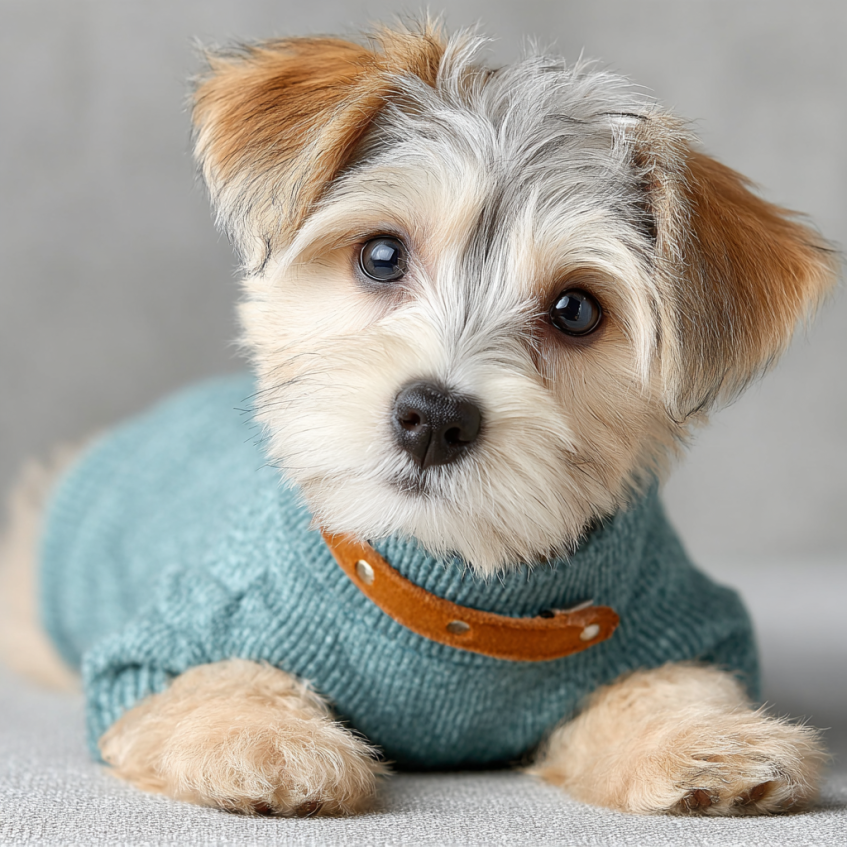
Just because a company can make clothing doesn’t mean they understand pet apparel. Dogs have different body shapes, safety needs, and comfort factors. A reputable dog clothes factory should:
Have a portfolio showing actual dog apparel, not just generic T-shirts.
Understand pet-safe fabrics, avoiding harmful dyes or small detachable parts.
Be familiar with sizing variations for different breeds.
For example, a factory that has produced custom merchandise for sports clubs or resorts might already know how to work with branding guidelines—making them better equipped to handle mascot logos or theme-specific designs.
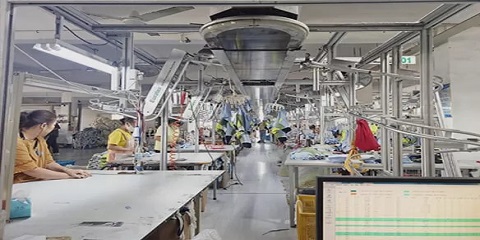
Every dog owner who buys your product is trusting you—not the factory—so you can’t afford to gamble on quality. The process of strong quality control in garment industry should include:
Fabric inspection before cutting, ensuring there are no defects.
Stitching checks for strength and evenness.
Prototype samples you can test for fit, comfort, and wash durability.
Compliance with pet product safety standards in your target markets.
A serious manufacturer won’t shy away from questions about their clothing quality control process, and some will even welcome you to tour their facility (or at least arrange a video walkthrough).
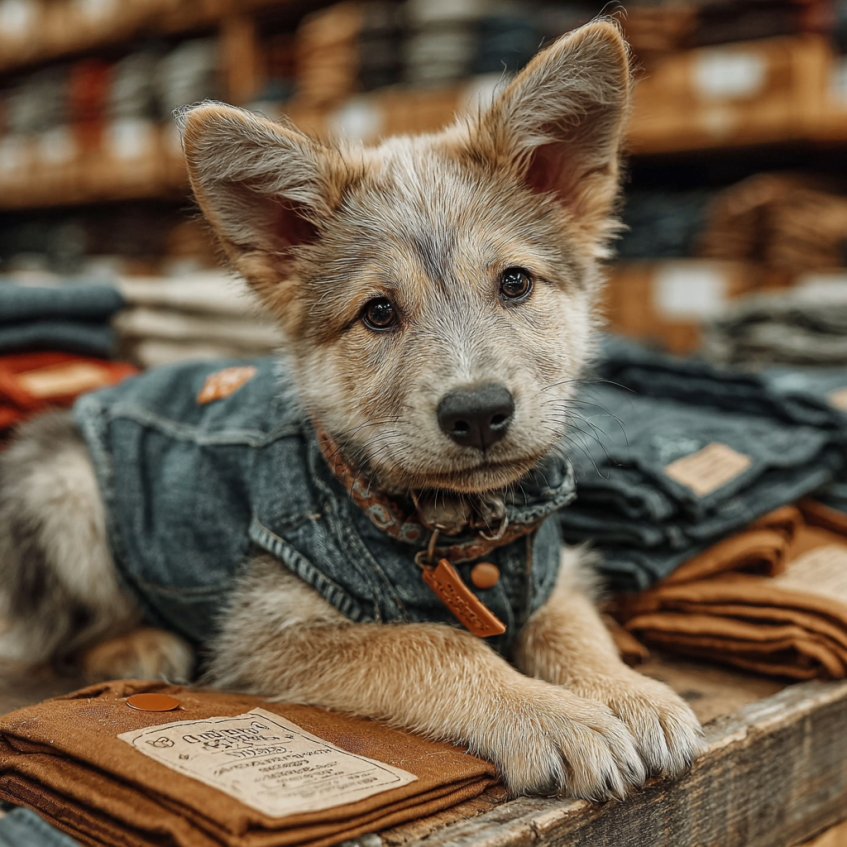
For many pet brands—especially those selling in sports clubs, theme parks, or branded gift shops—customization is the main value driver. This is where you check if your chosen factory can match your creativity.
| Customization Feature | Why It Matters | What to Ask |
|---|---|---|
| Logo embroidery/printing | Reinforces brand identity in every piece | Can you do detailed embroidery for small logos? |
| Pantone color matching | Keeps your brand colors consistent across batches | How accurate is your color matching process? |
| Fabric variety | Allows seasonal and performance-based collections | Do you have waterproof, breathable, or organic fabrics? |
| Sampling flexibility | Lets you test designs before committing | What’s your sample turnaround time? |
Dog clothes are often seasonal—think Christmas sweaters, summer cooling vests, or Halloween costumes. Missing the season means missing the sales window entirely. That’s why you should clarify:
Average production time for small vs. large orders.
Scalability if your order volume doubles unexpectedly.
Options for split shipments to different retail locations.
Some of the best factories keep “quick response” capacity for repeat clients, allowing you to restock faster without waiting months.
For lifestyle brands and premium markets, ethical sourcing is becoming a selling point. Customers are increasingly drawn to products made with care for both people and the planet. If your audience shops in high-end resorts, boutique pet stores, or lifestyle concept shops, they may be willing to pay more for:
Eco-friendly fabrics like organic cotton or recycled polyester.
Reduced packaging waste.
Transparent labor practices.
Being able to say your dog apparel is “sustainably made” can be a real competitive edge—especially if you can back it up with your manufacturer’s certifications.
Even the best price loses its value if you can’t get a clear answer when you need it. Strong communication habits in a factory might look like:
Dedicated account managers who respond within 24 hours.
Detailed production updates at key stages.
Willingness to address problems quickly, rather than deflecting responsibility.
This matters even more if you’re managing complex customization or multiple product lines.
At Champolian, we’ve worked with brands across industries—sports teams, universities, resort souvenir shops, clubs, camps, and lifestyle apparel labels—to deliver high-quality, on-brand apparel.
We understand that for pet brands, dog clothes aren’t just another product line—they’re an extension of your identity. That’s why our Custom Clothing Services are designed to handle everything from detailed embroidery to Pantone color matching, small-run sampling, and large-scale seasonal collections.
Whether you’re creating mascot-themed raincoats for a football club store, resort-branded dog bandanas for a gift shop, or limited-edition hoodies for a lifestyle e-commerce launch, we have the experience, flexibility, and quality control to make it happen.