-
- EN
-
-

Launching a baseball apparel collection is exciting. A great design concept, a strong team identity, and a clear target audience can create significant market opportunities.
However, many baseball apparel brands discover that success depends on more than having creative ideas. The biggest challenge is turning those ideas into products that customers actually want — while controlling production costs, maintaining quality, and building a scalable manufacturing process.
Many brands fail not because there is no demand, but because they scale too quickly without validating:
Product design
Customer response
Production capability
Supplier reliability
For companies entering the custom baseball apparel market, the smartest strategy is not producing the largest collection immediately. It is building a reliable product development process that allows brands to test, improve, and scale with confidence.
Many new baseball apparel businesses focus heavily on design and marketing. However, production decisions often determine whether a brand can grow successfully.
Common problems include:
Producing too many styles too early
Choosing suppliers only based on price
Developing complex products without testing
Ignoring technical production requirements
These mistakes can create:
Excess inventory
Increased development costs
Delayed launches
Customer dissatisfaction
Successful baseball apparel brands understand that production strategy is part of brand strategy.
Supplier selection is one of the most critical decisions in early-stage production.
Many brands choose suppliers based only on price, without evaluating:
Communication quality
Sampling capability
Fabric expertise
Production consistency
Working with inexperienced baseball clothing manufacturers often leads to delays, quality issues, and inconsistent sizing across batches.
Many startups try to launch with overly complex graphics, multiple embroidery techniques, and detailed customization on their first order.
While this may look impressive, it significantly increases production risk.
Instead, brands should prioritize free clothing design support or simplified design systems during early-stage production to ensure:
Faster sampling
Lower error rate
Easier scaling
Reduced cost per revision
Sizing inconsistency is one of the most overlooked issues in custom apparel.
For custom baseball team apparel, even small measurement errors can lead to:
High return rates
Customer dissatisfaction
Lost team contracts
Many new brands fail to establish standardized sizing systems before production begins.
Communication speed directly impacts production timelines.
Delayed responses often result in:
Missed seasonal deadlines
Lost tournament orders
Slower product launches
Reliable suppliers act as production partners, not just manufacturers.
Sampling is often treated as a minor step, but in reality, it is a critical investment.
Sampling helps validate:
Logo placement
Stitching quality
Fit accuracy
Brands that skip or minimize sampling often face larger rework costs later.
Instead of launching dozens of products, successful brands often begin with a smaller collection.
A strong first launch may include:
Hero baseball jerseys
Premium jackets
Limited fanwear collections
This allows brands to test:
Customer preference
Pricing acceptance
Product performance
For example:
Men custom baseball jerseys for fans
Men's Vintage Bomber jackets
Once successful products are identified, brands can expand confidently.
The cheapest supplier is not always the lowest-risk choice.
Baseball apparel requires experience with:
Sportswear construction
Team sizing systems
Fabric selection
Custom decoration
Production consistency
A reliable baseball apparel manufacturer should support brands with:
Technical recommendations
Sampling support
Production communication
Quality control
The right manufacturing partner helps brands avoid expensive mistakes before production begins.
Sampling is not just a production step.
It is a product validation tool.
Before bulk manufacturing, samples help brands evaluate:
Fabric quality
Fit accuracy
Logo placement
Stitching quality
Overall appearance
For custom baseball apparel, sampling is especially important because sports products often require:
Team-specific designs
Multiple sizes
Detailed customization
A professional manufacturer should help brands improve products before scaling.
Selecting the right production partner is more important than selecting the product itself. A strong supplier relationship determines product quality, delivery speed, and long-term scalability. When evaluating baseball apparel manufacturers, brands should focus on the following criteria:
A reliable baseball apparel manufacturer must deliver consistent quality between samples and bulk production.
This includes:
Fabric stability
Stitch accuracy
Color matching
Size consistency
Communication speed
Fast and clear communication ensures:
Faster sampling cycles
Reduced production errors
Better project coordination
Low MOQ support
Baseball clothing manufacturers that support low MOQ allow brands to:
Test products before scaling
Reduce inventory risk
Launch multiple designs safely
Fabric expertise
Understanding fabric behavior is essential for sportswear.
A strong supplier should offer guidance on fabric selection, including:
Breathability
Durability
Stretch performance
Weight optimization
Embroidery capability
Advanced custom embroidery services are important for brands targeting premium or retail positioning.
Embroidery adds value through:
Texture depth
Brand perception
Long-term durability
Teamwear sizing expertise.
For custom baseball team apparel, sizing accuracy is critical.
Manufacturers must understand:
Athletic fit grading
Youth vs adult sizing systems
Team uniform standardization
A good manufacturer should help reduce your business risk — not just produce garments.
Not all products are equally suitable for market entry.
New brands should focus on products with:
High demand
Low production complexity
Easy scalability
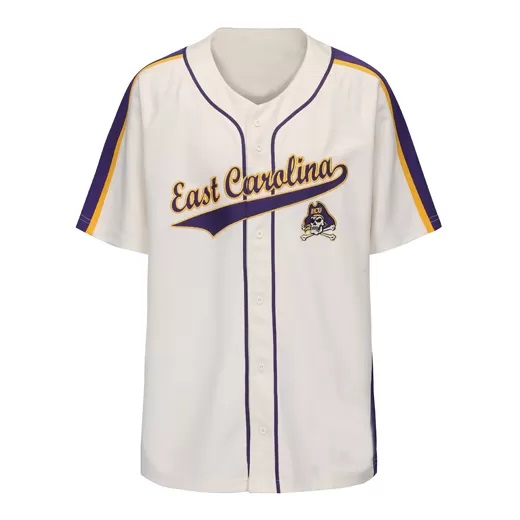
Men custom baseball jerseys are one of the strongest entry-level products because they:
Have consistent demand across teams and fans
Allow flexible customization
Work well for both performance and retail markets
Scale easily with repeat orders
They are also widely used in the licensed sports apparel wholesale segment.
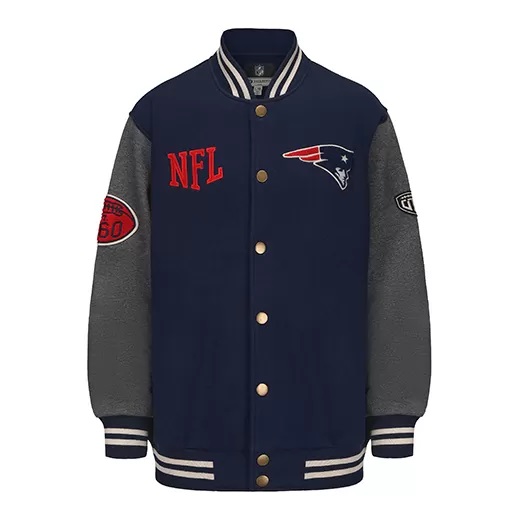
Bomber jacket wholesale is another strong entry product due to their:
High perceived value
Streetwear crossover appeal
Seasonal demand flexibility
Strong branding potential
They are commonly used in both sports lifestyle and fan merchandise markets.
When you approach the selected manufacturer, most brands send their first RFQ (Request for Quotation) as a simple price inquiry. They ask "how much per unit" and wait for numbers. However, experienced buyers in the custom baseball apparel industry understand something different: Before asking "How much does it cost?" you should clearly communicate "Who you are, what you are building, and where you are going." When a manufacturer understands your context, their mindset shifts from: "Just another price request" to "This is a serious brand worth prioritizing."
This shift leads to three immediate benefits:
More professional production advice (not just pricing)
More accurate and realistic quotations (based on your actual stage)
Higher priority treatment in sampling and communication
To achieve this, your first email should clearly define your business using three structured elements.
1. Market Positioning (Niche): Who are you?
The first thing a manufacturer needs to understand is your target market and brand identity.
Key question:
Who are your customers, and what makes your brand different in the baseball apparel market?
In your email, clearly explain:
Your target audience (teams, schools, fans, retail buyers, etc.)
Your positioning in the custom baseball apparel space
Your brand differentiation compared to other brands
This helps baseball apparel manufacturers immediately understand whether your project is performance-focused, retail-focused, or team-based.
2. Company Stage: Where are you now?
The second part is explaining your current business stage. This is critical because it directly affects MOQ, pricing strategy, and production recommendations.
Key question:
Are you a startup that enter into custom baseball apparel, an active brand, or an expanding business?
In your email, clarify:
Whether you are in the launch phase or already selling
Whether you are a self-funded brand or operating with a team
Whether this is your first production or a scaling order
This helps suppliers determine whether to recommend low MOQ production, sampling strategies, or scalable manufacturing solutions.
3. Development Goal: Where are you going?
The final part explains the purpose of your order and your long-term vision.
Key question:
What is the goal of this order, and how does it fit into your future growth strategy?
In your email, clarify:
Whether this is market testing or full launch preparation
Whether you plan repeat orders or long-term scaling
Whether you are testing designs, pricing, or product-market fit
This helps manufacturers understand your potential as a long-term client, not just a one-time buyer.
Why this structure matters
When you clearly communicate these three elements, your RFQ is no longer just a pricing request.
Instead, it becomes a business introduction document that allows suppliers to:
Provide more strategic recommendations
Offer more accurate and customized pricing
Prioritize your project over generic inquiries
Position your brand for long-term cooperation
In the custom baseball apparel industry, the best partnerships are not built on the lowest price—they are built on clarity, trust, and growth potential.
What is the minimum order quantity for custom baseball apparel?
Minimum order quantities vary depending on the manufacturer, but many modern suppliers now support low MOQ production to help startups test the market before scaling. Champolian's MOQ is startup-friendly (starting from 72 units per color), but also scalable for long-term growth in the baseball apparel market.
How do I choose reliable baseball apparel manufacturers?
Reliable baseball apparel manufacturers should demonstrate strong sample consistency, fast communication, fabric expertise, and experience in custom baseball team apparel production.
Are bomber jackets expensive?
Bomber jacket expensive? Actually, its pricing depends on materials, embroidery complexity, and production volume. In general, wholesale production reduces cost significantly compared to retail pricing.
Are men custom baseball jerseys profitable for small brands?
Yes. Men custom baseball jerseys are highly profitable due to strong demand in both teamwear and fan merchandise segments, especially when produced efficiently.