-
- EN
-
-

Hi everyone, it’s Naomi here.
If you’ve been watching the news lately - or simply looking at your latest shipping and production invoices - you’ve probably noticed a common theme: Uncertainty.
Between geopolitical tensions and the rising cost of energy, the global supply chain is feeling the heat. For clothing brands, especially those selling in the US and Europe, this isn’t just “news.” It’s a daily challenge that affects your profit margins, your retail prices, and your customers’ confidence.
Today, we want to talk about something we don’t usually discuss over a coffee: Energy. Specifically, how the way a factory gets its power can actually protect your brand from the “vicious cycle” of price hikes and low consumer demand.
When we think about the cost of a hoodie or a pair of leggings, we usually think about the fabric, the labor, and the shipping. But there is a “hidden ingredient” that powers everything: Energy.
It takes electricity to knit the yarn, heat to dye the fabric, and power to run the sewing machines. In 2026, global energy prices are swinging like a pendulum. When a factory relies 100% on the local power grid, and that grid is affected by global oil or gas shortages, the factory has two choices: stop production or raise prices.
This is where many brands get stuck in a “Negotiation Trap.” You might have a signed contract, but suddenly the factory asks for a 10% surcharge because their electricity bill doubled. This destroys your planning and hurts your trust with your own customers.
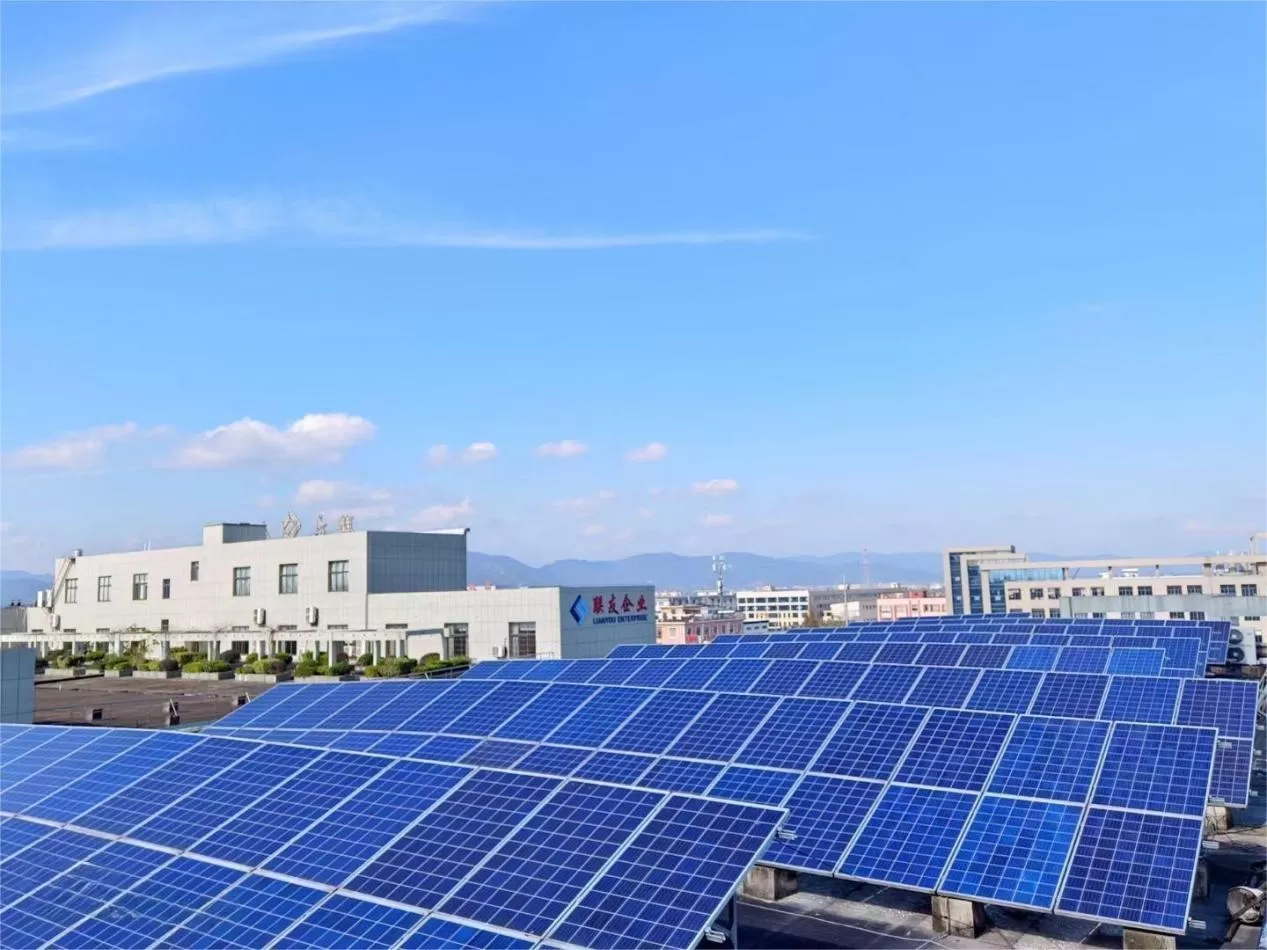
At Champolian, we saw this coming a long time ago. We’ve been in the knitwear business for 40 years (since 1981!), and if there’s one thing we’ve learned, it’s that being “self-sufficient” is the only way to stay stable.
Back in 2017, we made a big move. We covered our 10,000-square-meter factory with a high-tech solar power system. Today, above 60% of our factory’s electricity comes from the sun.
Why does this matter to you? It’s simple:
1. Price Stability: Because we aren’t buying all our power from the grid, we aren’t as vulnerable to global energy spikes. When we give you a quote, we can stand by it.
2. Continuous Production: Even when local grids face “brownouts” or energy rationing, our solar-powered lines keep moving. Your delivery stays on time.
3. Real ESG Compliance: You don’t just get to say your clothes are sustainable apparel; you can prove it. Our BCI® clothing with BCI® certified cotton (Platform No. 1012206-1) combined with solar manufacturing gives your brand a powerful story to tell.
We know the US market is tough right now. Between tariff changes and lower consumer confidence, people are buying fewer clothes. But here is the interesting part: They are buying better clothes.
When money is tight, consumers stop buying “disposable” fast fashion. Instead, they look for what I call “Investment Garments.” These are pieces that are:
Durable: They don’t pill or shrink after three washes.
Versatile: You can wear them to the gym, then under a blazer for a meeting, and then on the couch at home.
High Quality: They feel heavy, soft, and premium.
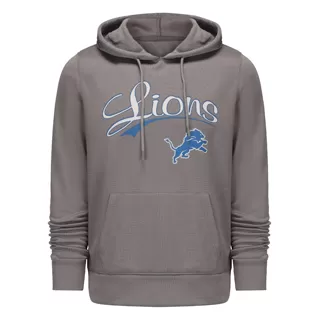
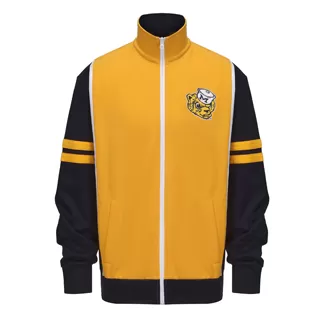
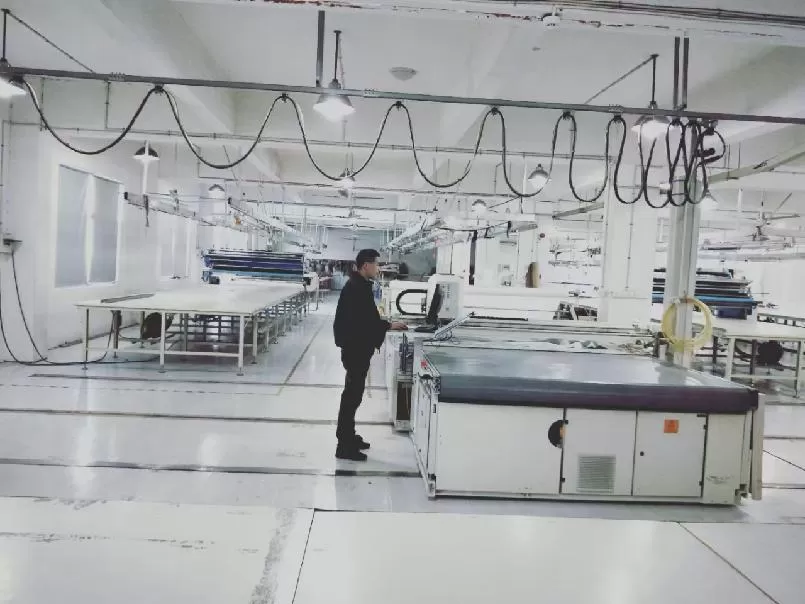
This is where Champolian’s expertise shines. We use German knitting technology and a strict 4-Point System for fabric inspection. Whether we are making officially licensed sports apparel for fan for the MLB, NBA, or NFL, or a custom collection for a startup, we aim for AQL 2.5 or 4.0 quality standards.
By making clothes that last longer, you are helping your customers spend their money wisely. You are breaking the cycle of “cheap price, poor quality, low demand.”
I learn a lot about the future of fashion just by watching my 12-year-old son. He is part of Generation Alpha, and his generation is rewriting the rules of what makes a “cool” brand.
I’ve noticed two things that drive his choices, and they might surprise you:
1. The “Digital Logo” as a Cultural Identity
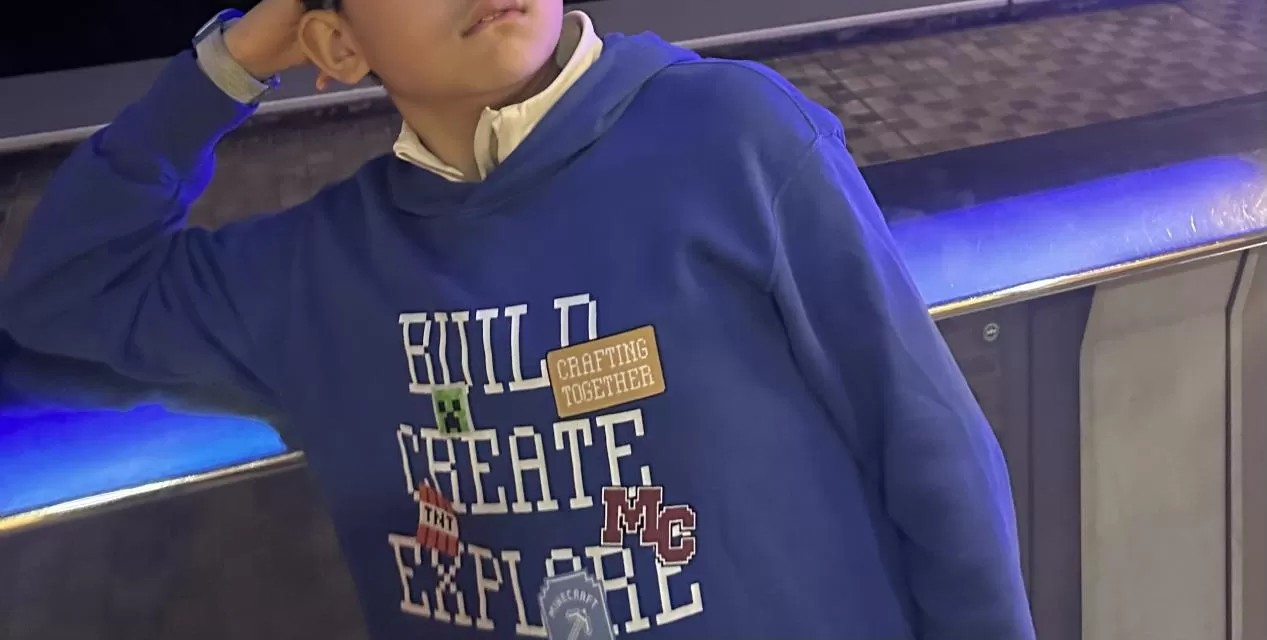
He will choose a shirt specifically because it has a high-quality digital logo from a game like “Minecraft.” For him, that logo isn’t just a picture; it’s a membership card to a community. This is why we’ve invested so much in advanced embellishment technology - from 3D embroidery to high-definition digital printing. If the logo doesn’t look “perfect” and “official,” Gen Alpha won’t wear it.
2. The “Hand-Feel” of Quality
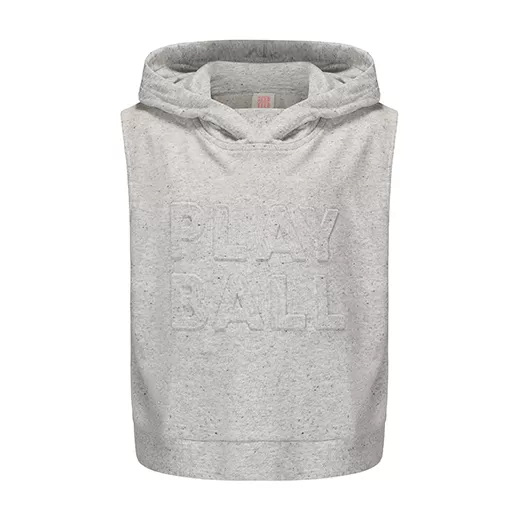
Even when he wants a “basic” hoodie with no logo at all. He likes a hoodie that holds its shape - what we call “heavyweight” or “high-density” knits.
Generation Alpha has a natural “radar” for quality. They can feel the difference between a cheap, flimsy fabric and a premium, structured knit. This is why we use imported high-quality cotton yarns and German weaving techniques to ensure that “stiff,” high-end feel that young consumers are looking for today.
I know that for many of you, the biggest fear isn’t just energy - it’s Risk.
“What if I order 1,000 pieces and they don’t sell?”
Because we own our factory and have 160 skilled team members, we can offer Low MOQs (starting at just 72 pieces per team/style). We even offer Free Clothing Design and a 1-piece Cut & Sew clothing sample to make sure your vision is perfect before you spend a dollar on mass production.
We want to take the “Hassle” out of your supply chain. Whether it’s complex 3D embroidery, chenille patches, or sustainable modal fabrics, we handle the technical “headache” so you can focus on growing your brand.
The world in 2026 is moving fast. Geopolitics and energy crises can feel overwhelming. But at Champolian, as one of professional wholesale custom apparel manufacturers, we believe that the answer to an unstable world is a stable partnership.
By choosing a factory that invests in its own power, respects the planet, and obsesses over quality, you aren’t just buying “manufacturing services.” You are buying peace of mind.
Are you worried about your 2027 production costs? Or are you looking for a way to make your brand stand out in a crowded, low-confidence market?
Let’s have a chat. Whether you are a big licensed brand or a startup with a big dream, we are here to help you build something that lasts.
Stay resilient,
Naomi
Champolian Manufacturing