-
- EN
-
-

Choosing the right manufacturing model is one of the most important decisions for apparel brands. A successful collection depends not only on creative ideas, but also on how efficiently those ideas can be transformed into production-ready garments.
For many brands, the first question is:
Should we work with an OEM clothing manufacturer or an ODM clothing manufacturer?
The answer depends on your brand stage, design capability, product development needs, and long-term growth strategy. Some brands already have complete designs and technical specifications. They need a reliable manufacturing partner who can execute their vision accurately. Others have product ideas but need support with design development, fabric selection, and production solutions.
Understanding the difference between OEM and ODM helps brands choose the right partnership model and avoid costly mistakes during product development.
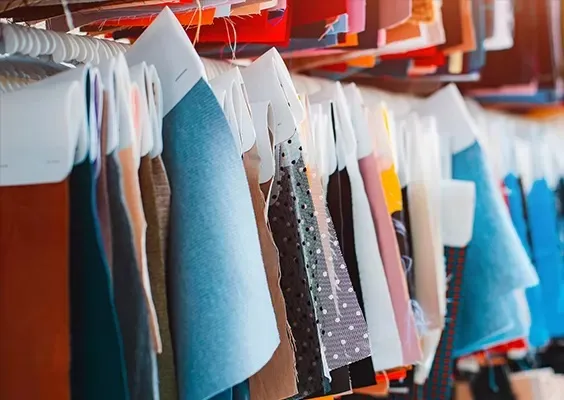
OEM stands for Original Equipment Manufacturer.
In an OEM partnership, the brand provides:
Product concepts
Designs
Technical specifications
Materials requirements
The manufacturer is responsible for turning these requirements into finished products.
OEM is commonly chosen by brands that already have:
In-house designers
Existing product lines
Established brand identity
Clear technical requirements
For example, a fashion brand may already have:
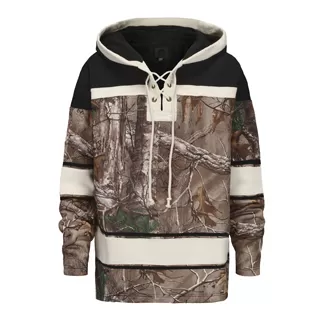
A finished hoodie design
Fabric specifications
Size measurements
Decoration requirements
The OEM clothing manufacturer's role is to ensure accurate production while maintaining quality and consistency.
ODM stands for Original Design Manufacturer.
Unlike OEM, ODM manufacturers provide additional product development support.
This may include:
Design recommendations
Product concepts
Fabric suggestions
Pattern development
Sampling support
ODM is suitable for brands that want to launch new collections but may not have a complete internal product development team.
For example:
A lifestyle brand may have an idea for a new apparel collection but need support with:
Choosing suitable fabrics
Improving garment construction
Developing production-ready samples
An experienced ODM clothing manufacturer helps transform ideas into commercial products.
| OEM | ODM | |
|---|---|---|
| Design ownership | Brand owns design | Manufacturer supports design |
| Best for | Established brands | Brands needing development support |
| Control | Higher | Collaborative |
| Development speed | Depends on brand readiness | Usually faster |
OEM is usually the better choice when brands already have a clear product direction.
Choose OEM if your brand:
Has Existing Product Designs
You already know:
Garment structure
Materials
Measurements
Decoration details
Needs Production Expertise
A professional OEM clothing manufacturer helps ensure:
Accurate production
Consistent quality
Reliable delivery
Wants Maximum Design Ownership
OEM allows brands to maintain full control over product identity.
ODM works well for brands that want professional development support.
Choose ODM if you need:
Faster Product Development
ODM manufacturers can help shorten development time through:
Existing expertise
Fabric knowledge
Production experience
Market-Based Recommendations
Experienced manufacturers understand:
Material trends
Consumer expectations
Production feasibility
Complete Product Solutions
ODM can support the journey from:
Idea → Design → Sample → Production
At Champolian, we specialize in both models, ensuring that whether you need precision production or full creative collaboration, our process adapts to your goals.
If you have a design team or have designs finalized, and are looking for a reliable partner to turn your designs to real product, the OEM model is ideal for your brands. This model is popular among private label clothing brands that prioritize brand identity, consistency, and supply chain reliability.
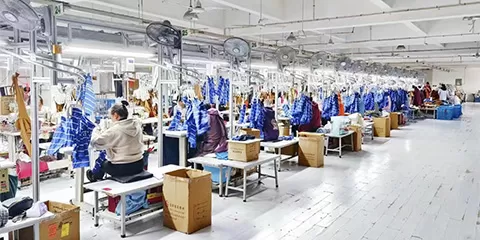
As an OEM clothing manufacturer, Champolian focuses on technical accuracy, scalability, and material integrity. Our OEM production process includes:
Pattern verification and sample approval – ensuring your designs are precisely translated into production-ready garments.
Material sourcing and quality control in garment industry – managing fabric, trims, and accessories based on your specifications.
Mass production with strict QA standards – leveraging advanced equipment and skilled teams to maintain consistency across every batch.
Efficient logistics and delivery management – ensuring your products arrive on time, every time.
OEM partnerships are particularly suitable for brands with existing collections, such as sports fan apparel or streetwear labels that release multiple drops per year. At Champolian, our lean manufacturing lines and dedicated production managers help private label clients meet retail deadlines while maintaining brand-specific quality standards.
If your brand looking to expand quickly or launch a new line without an in-house design department, the ODM model offers a complete end-to-end solution.
With ODM, your manufacturing partner provides design, development, sampling, and production - turning concepts into market-ready garments. However, it's important to establish clear expectations for product quality and customization options upfront to avoid unforeseen costs later on, because you choose the modal of shared resources, then small tweaks of customization options can lead to unexpected retooling costs.
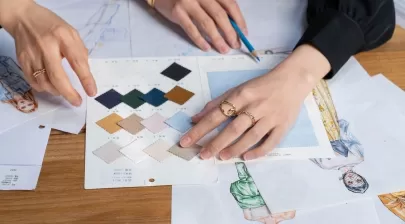
At Champolian, our ODM fashion development process combines creative innovation with production expertise. We are a team of fashion designers, textile engineers, and pattern technicians who collaborate closely with clients to build original designs that reflect their target market and brand identity.
Selecting the right partnership model depends on several practical factors, including your brand's size, design capabilities, timeline, and budget.
Consider the following:
Design Ownership and Input – If you already have in-house designers, OEM allows full creative control. If you need design assistance, ODM gives you access to professional design and R&D resources.
Development Speed – ODM typically shortens product development time because the manufacturer already has a library of styles and materials.
Cost and Efficiency – OEM may involve higher initial costs or hidden cost for you for design and sampling, while ODM can optimize cost through shared resources and established supply chains.
Flexibility and Innovation – ODM manufacturers often provide insights into new materials and styles, helping brands stay on trend.
Confidentiality and Licensing – Ensure your partner respects intellectual property and licensing compliance, especially for sports or branded apparel.
At Champolian, our clients don't have to choose strictly between one or the other. We offer hybrid production models - combining OEM precision with ODM creativity - to match each brand's unique stage of growth.
When searching for a clothing manufacturer, it's not just about production capability - it's about partnership. Your ideal supplier should understand your brand's vision, market position, and long-term goals.
Here's what sets Champolian apart as both an OEM clothing manufacturer and ODM fashion developer:
Integrated Design-to-Production Process: From concept sketches to final packaging, we manage every step in-house.
Advanced Manufacturing Facilities: Equipped with automated systems for cutting, stitching, and finishing to ensure consistency and efficiency.
Experienced R&D Team: Skilled in global trend analysis, technical design, and sustainable material development.
Transparent Communication: Real-time updates and visual progress tracking throughout production.
Global Quality Standards: Compliance with international testing and certification protocols for export-ready apparel.
Whether you are expanding your private label line or creating a new fashion concept, Champolian provides the flexibility, reliability, and creative collaboration needed to bring your next collection to life.
Choosing between OEM and ODM is not just a manufacturing decision - it's a strategic step in shaping your brand's future. OEM empowers you to maintain design control with dependable production, while ODM unlocks creative possibilities through collaborative design development.
With Champolian, you don't have to compromise. Our integrated capabilities across both models ensure that every client - from established fashion brands to emerging designers - can produce distinctive, high-quality collections efficiently and confidently.
Your next collection deserves a partner that understands both your creative vision and production needs. Whether OEM or ODM, Champolian is here to turn your brand ideas into reality.
OEM manufacturers produce products based on brand specifications, while ODM manufacturers provide additional design and product development support.
Neither model is always better. OEM is suitable for brands with clear designs, while ODM is better for brands needing development support.
Yes. Many experienced apparel manufacturers provide both production and product development services depending on brand requirements.
Private label brands may choose OEM when they already have designs or ODM when they need support developing new collections.