-
- EN
-
-

In the competitive world of sports apparel, brands are not only selling garments. They are selling trust. Whether it is a professional sports collection, collegiate merchandise line, or premium fanwear program, customers expect products that arrive on time, maintain consistent quality, and represent the brand correctly.
However, behind every successful sports apparel collection is a complex supply chain. A single failure — inconsistent production quality, delayed delivery, poor material control, or compliance issues — can affect retail launches, customer satisfaction, and long-term brand reputation.
This is why choosing the right sports apparel manufacturer is not simply a sourcing decision. It is a strategic decision that directly impacts brand growth.
A reliable manufacturing partner should provide more than production capacity. They should help brands manage risks through:
Strong quality systems
Manufacturing transparency
Technical expertise
Reliable production planning
Long-term partnership capability
At Champolian, we believe reliability isn't a "feature" - it's your best insurance policy. For 15 years, we have acted as the "silent partner" behind some of the world's most prestigious sports brands. We don't just react to standards; we anticipate them so your brand never has to look back.
Sports apparel has unique production challenges.
Unlike standard clothing products, sports collections often involve:
Seasonal launches
Team-specific designs
Multiple product categories
Strict color requirements
Complex customization
For example, a sports brand may need to produce:
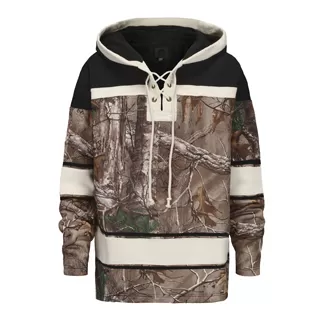
Custom sports team jerseys
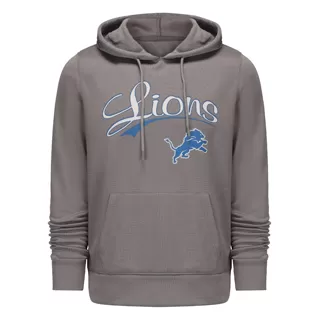
Fan hoodies
Training apparel
Lifestyle apparel collections
Limited-edition merchandise
Each product requires consistency across:
Fabric
Color
Sizing
Decoration
Packaging
This complexity means that a fragmented supply chain can quickly create problems. When different suppliers are responsible for different stages, communication gaps become unavoidable.
The result can include:
Incorrect specifications
Production delays
Quality inconsistency
Missed market opportunities
Professional sports apparel manufacturer should help brands simplify this process through better control and communication.
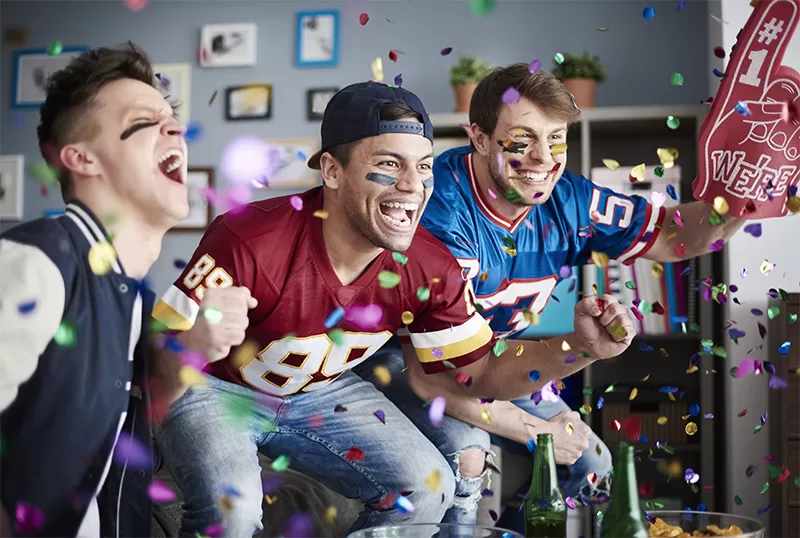
For sports brands, consistency is essential.
Customers expect products from the same collection to have identical:
Colors
Fabric quality
Fit
Decoration details
However, without strong production control, different batches may experience:
Shade variation
Different fabric performance
Uneven workmanship
These problems can damage customer trust and increase return rates.
Many manufacturers focus on final inspection.
However, professional apparel production requires quality management throughout the entire process.
Effective quality control should begin from:
Raw Material Stage
Checking:
Fabric quality
Material specifications
Color accuracy
Production Stage
Monitoring:
Cutting
Sewing
Printing
Embroidery
Final Stage
Confirming:
Product appearance
Measurements
Packaging
Shipment readiness
This is why quality assurance in garment manufacturing is not just a final inspection process.
It is a complete production management system.
For licensed sports apparel and international brands, compliance is a critical requirement.
A manufacturing issue can create serious consequences:
Failed audits
Retail rejection
Delayed launches
Brand reputation damage
Professional sports organizations and global retailers require manufacturers to maintain reliable standards for:
Social responsibility
Product safety
Production management
Documentation
A capable manufacturing partner should already have systems prepared before problems occur.
Sports merchandise is often connected with specific events:
Championships
Seasonal launches
Team campaigns
Major competitions
Missing the launch window can significantly reduce commercial value.
For example:
A championship collection delivered after the peak celebration period may lose much of its market opportunity.
This is why brands need a partner who understands:
Production scheduling
Material preparation
Manufacturing coordination
Delivery management
To illustrate how we mitigate these risks in real-time, consider our performance during the 2024 NFL season:
· The Client Challenge: Immediately following the Kansas City Chiefs' 2024 Super Bowl victory, a key client placed an urgent order for 1,200 premium hoodies featuring intricate championship embroidery. The window was razor-thin: the product had to be manufactured and delivered to a designated US warehouse within 30 days to capitalize on the post-game retail surge.
· Our Intervention: Leveraging our 15-year infrastructure, we activated an immediate-response protocol. We synchronized our entire supply chain - from raw fabric knitting and precision dyeing to high-stitch-count embroidery - ensuring that the accelerated timeline did not compromise the "stadium-quality" that this brand is known for globally.
· The Quality Benchmark: To meet the brand's premium standards, we executed 100,000 stitches of dynamic coverage, ensuring razor-sharp patterns that last. The result is a finish with the durability of a car emblem, maintaining its integrity and "like-new" appearance even after 20+ washes.
· The Result: We achieved a total turnaround of just 4 weeks, offering door to door shipping service from our facility to the client's US warehouse. The project maintained a 100% audit pass rate with zero retail returns, allowing the client to hit the market at the peak of fan demand.
While many knit clothing manufacturers scramble to prepare for an audit, our facilities maintain a permanent "Audit-Ready" status. Over the last 15 years, we have maintained a 100% pass rate across the three pillars required by global sports organizations:
Social & Ethical Compliance: Protecting you from labor scandals.
Technical & Quality Assurance: Ensuring every piece meets retail-grade standards.
Environmental Responsibility: Meeting the modern consumer's demand for transparency.
To protect the confidentiality of our partners, specific audit reports and third-party validations are made available under NDA during the formal vetting process.
Our Methodology: The Three-Tier Quality Gate. Our success as an OEM clothing partner is built on a structured system designed to catch errors before they reach your warehouse:
Tier 1: Raw Material Integrity: We vet different kinds of fabric materials against strict Global RSL (Restricted Substances List) protocols.
Tier 2: In-Process Validation: Systematic checks at critical control points ensure that color-matching and construction are 100% consistent across high-volume runs.
Tier 3: Final Verification & Logistics: Every shipment undergoes a final pre-shipment audit against AQL (Acceptable Quality Limit) standards to ensure it is “stadium-ready.”
A partnership with Champolian delivers more than just clothes; it delivers a scalable foundation for your brand:
Reduced Operational Burden: Spend less time micromanaging production and more time winning new licenses.
Guaranteed Brand Protection: Zero risk of product recalls or compliance scandals.
Professional & Collegiate Agility: Whether it's high-volume pro-league gear or smaller, diverse collegiate "campus-wear" runs, our systems adapt to your scale.
Compliance is not a department at Champolian; it is a 15-year culture of predictable excellence. To learn how our framework can de-risk and strengthen your supply chain, request our confidential Compliance & Capability Deck.
With more than 40 years of garment manufacturing experience and over 15 years of licensed apparel expertise, Champolian supports global sports brands, teams, and merchandise businesses with reliable production solutions.
Our capabilities include:
Sports apparel manufacturing
Custom sports apparel development
Technical design support
Fabric sourcing
Quality assurance
Complex customization
We believe successful apparel production requires more than manufacturing capability.
It requires a partner who understands your brand goals and helps protect your reputation throughout the entire supply chain.
Sports brands can reduce supply chain risks by choosing manufacturers with strong quality systems, production experience, technical capabilities, and transparent communication processes.
Brands should evaluate manufacturing experience, quality control systems, product development capability, and the ability to support long-term production partnerships.
Quality assurance in garment manufacturing helps maintain consistent product quality by controlling materials, production processes, and final inspections.
Experienced manufacturers manage complex orders through better production planning, technical support, quality control systems, and coordinated supply chain management.
Common causes include unclear specifications, material issues, poor communication, production planning problems, and weak supplier coordination.