-
- EN
-
-

You have a powerful vision for your next apparel collection. You’ve invested in design, defined your target audience, and created a tech pack that captures every detail. You find a factory, send over the files, and wait for the magic to happen.
Then, the problems begin.
The sample is a disaster. The fabric feels cheap, the fit is wrong, and the colors are off. What follows is a cascade of delays, budget overruns, and frustrating email chains. Your project is failing, and it hasn’t even reached the production line.
The hard truth is that most apparel projects don’t fail because of a bad idea. They fail because of preventable mistakes made long before the first garment is sewn. For ambitious brands, choosing a wholesale custom apparel manufacturer is not just about finding someone who can sew - it’s about finding a partner who can prevent your project from derailing.
The most common mistake is assuming that all factories are created equal. A manufacturer that excels at producing 100,000 basic promotional t-shirts is likely the wrong partner for a 5,000-piece collection of heavyweight, garment-dyed hoodies.
Brands often choose a partner based on price or a slick website, only to discover too late that the factory lacks the specific machinery, technical expertise, or supply chain for their product.
How to avoid it: Define your product’s complexity first. Is it a premium, retail-quality garment or a high-volume promotional item? Then, seek a manufacturing partner whose core competency aligns with your needs. Ask for examples of similar projects they have produced.
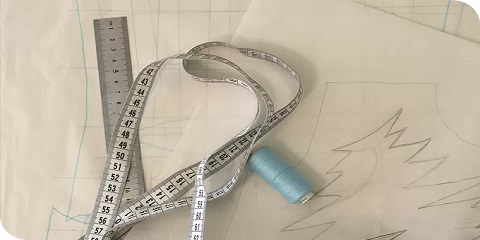
A tech pack is a map, but it’s not the journey. Many brands hand over a tech pack and assume the factory will execute it perfectly. However, if the factory outsources its pattern-making and sample development to different vendors, your vision gets lost in a game of telephone.
This fragmented approach is the number one cause of failed samples. The pattern maker doesn’t talk to the fabric sourcer, who doesn’t talk to the sample sewer. When the sample is wrong, everyone blames someone else.
How to avoid it: Work with a partner who has an integrated, in-house technical team. As we explained in our detailed guide on why apparel product development fails when technical design is fragmented, an in-house team ensures your vision is translated precisely because the experts are all under one roof, solving problems in minutes, not weeks of emails.
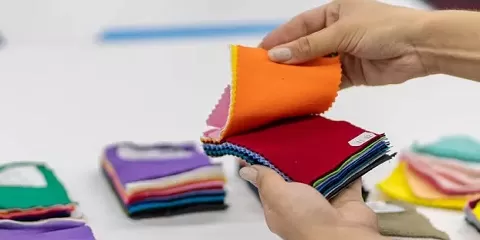
You found a fabric swatch that feels perfect. But will it hold its structure after a complex wash? Can it be dyed to match your brand’s exact Pantone color without bleeding? Will it shrink or warp when a high-heat transfer is applied?
Choosing a fabric without consulting your manufacturing partner is a massive gamble. This is especially true for premium collections where off-the-shelf blanks won’t suffice.
How to avoid it: Involve your manufacturer in the fabric selection process. A true production partner has textile engineers who understand how materials perform during production. For high-end collections, you need more than a basic fabric. Learn more about why premium licensed sports apparel requires custom fabric development to ensure your materials can handle the manufacturing process and meet retail quality standards.
The sample that arrived is perfect. You approve it and give the green light for bulk production. Two months later, the final shipment arrives, and the quality is inconsistent. What happened?
You approved a ‘hero sample’ - a single perfect piece created by the factory’s most skilled sewer. But the factory never validated that this sample could be replicated at scale, efficiently, and consistently.
How to avoid it: Before approving a sample, ask your partner one critical question: ‘Is this sample 100% reproducible in bulk production with consistent results?’ A professional manufacturer validates the production process during sampling, ensuring what you approve is what you get.
For established brands, universities, and licensed apparel programs, compliance is non-negotiable. Yet many brands forget to verify a factory’s credentials until it’s too late. They assume the factory is socially compliant (e.g., WRAP or BSCI certified) and has strict IP protection protocols.
This oversight can lead to failed audits, legal issues, or even having your entire shipment seized by customs.
How to avoid it: Make compliance your first checkpoint. Demand to see up-to-date audit reports and ask about their data security and IP protection measures. A professional custom clothing company will have these documents ready and will understand the strict requirements of licensed programs.
A low Minimum Order Quantity (MOQ) seems attractive, especially for testing a new design. But forcing a factory into an unnaturally low MOQ can backfire spectacularly.
To accommodate the small order, the factory may be forced to use leftover market fabric, de-prioritize your production schedule, and cut corners on quality control. You save money upfront but receive a product that is unsellable.
How to avoid it: Understand that a reasonable MOQ allows the factory to custom-mill your fabric and dedicate a production line to your project. A good partner will offer a balanced MOQ that ensures quality and efficiency, rather than simply agreeing to a number that makes production impossible to do well.
Your hoodies are perfectly produced, but they arrive at your warehouse folded incorrectly, in the wrong polybags, with barcode stickers that won’t scan. Or, a simple error on the carton markings causes your entire shipment to be rejected by your 3PL or Amazon FBA.
These ‘minor’ end-of-line details can cause major financial and logistical headaches, delaying your launch and angering retailers.
How to avoid it: Your production partner’s job doesn’t end when the last stitch is sewn. Confirm all packaging, labeling, folding, and carton marking requirements at the start of the project. A true production architect manages the entire process from concept to final delivery.
At Champolian, we built our entire model to eliminate these seven mistakes. We act as your production architects, not just another factory.
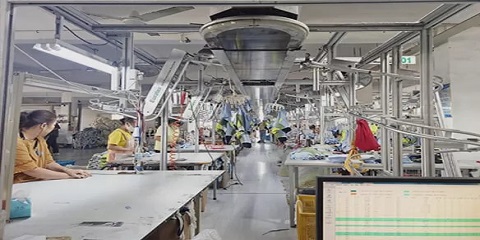
Integrated In-House Teams: Our pattern makers, sample developers, and QA experts work together in the same building. We solve problems proactively, ensuring your vision is executed with precision.
Deep Material Expertise: We start with yarn-level development, engineering fabrics that not only feel right but are built to withstand your specific production needs.
Production-Ready Sampling: Every sample we create is validated for bulk production. We guarantee that the quality you approve is the quality we deliver.
Audit-Ready & Secure: With over 15 years of experience in licensed apparel, we operate under the strictest compliance and IP protection standards.
Don’t let your next collection become another manufacturing casualty. Choose a partner who anticipates problems and architects solutions.
A:Many factories claim ‘in-house’ but may still outsource pattern making to freelancers. At Champolian, our pattern makers, fabric engineers, and sample sewers work in the exact same room. If a design issue arises, they solve it face-to-face in minutes, not through weeks of emails.
A: We rely on proactive testing, not guesswork. Before cutting bulk orders, we run strict stress tests on your fabrics - including wash tests for color fastness and shrinkage. We eliminate material risks early so you don’t face expensive surprises later.
A: No, it actually lowers your total cost. We eliminate hidden expenses like multiple failed samples, wasted fabric from bad patterns, and delayed launches. Doing it right the first time is always cheaper than fixing expensive mistakes later.